

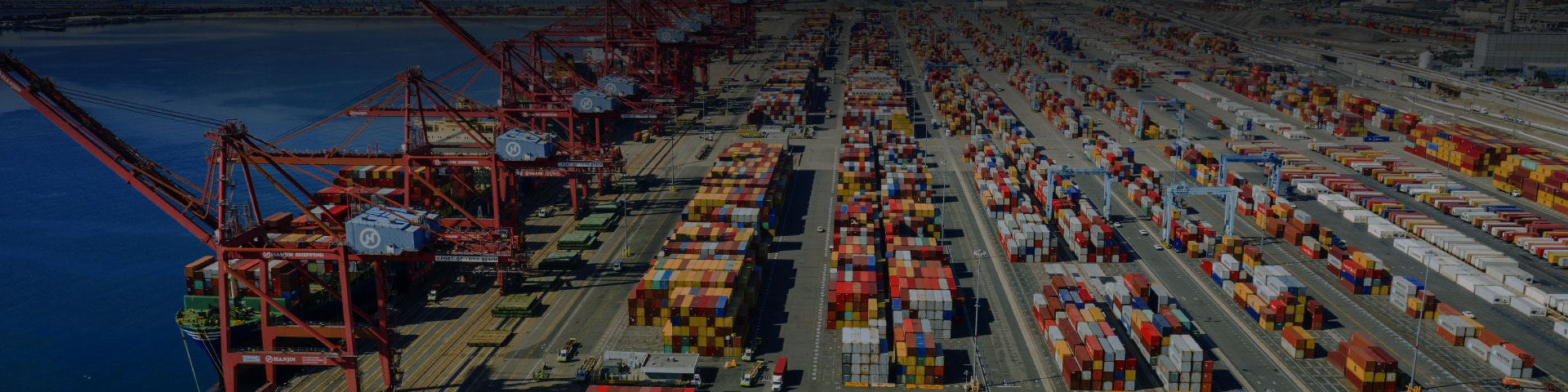
Ports in Sri Lanka
The island nation of Sri Lanka lies in the Indian Ocean and is surrounded by the Bay of Bengal and the Arabian sea. Since the 19th and 20th centuries, it has developed as a plantation economy popular for the production of coffee, cinnamon, tea and rubber which are still major export commodities. The development of ports during British rule furthered its position as a hub of maritime trade in the South Asian region. Sri Lanka’s main economic sectors are tourism, rice production, textiles, agriculture, telecommunications and food processing. Though the country has plentiful resources, it is trapped in a debt that has restricted infrastructural development.
Sri Lanka Ports
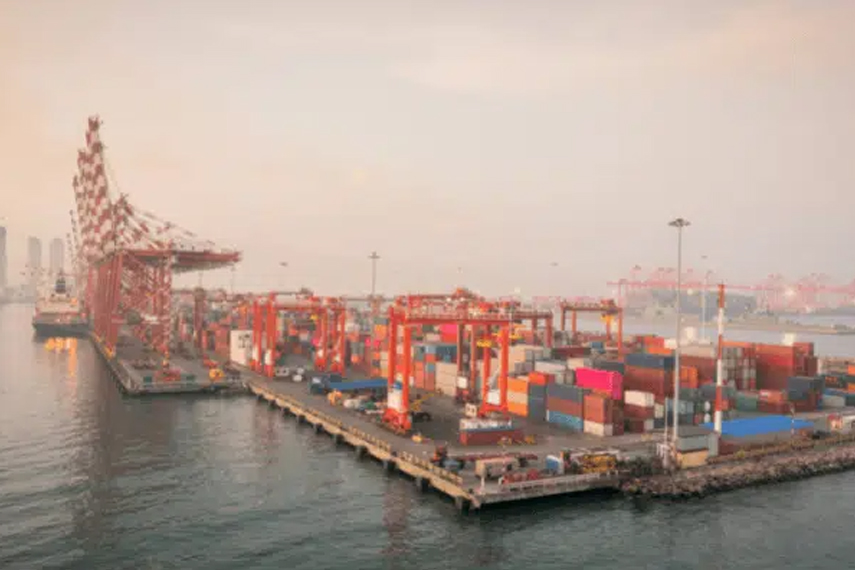
Port of Colombo
The biggest seaport of Sri Lanka, Colombo port is situated on the country’s southwestern coastline at the mouth of river Kelani Ganga. It ranks among the top 25 ports in the world and is one of the busiest container ports with an annual handling capacity of 7 million TEUs. More than 60% of the island nation’s international maritime trade passes through this facility. A major Indian Ocean port, it boasts one of the world’s most expansive artificial harbours. Its history goes back to 2000 years when it was a major trading post used by the Romans, Arabs and Chinese merchants.
Sri Lanka Ports
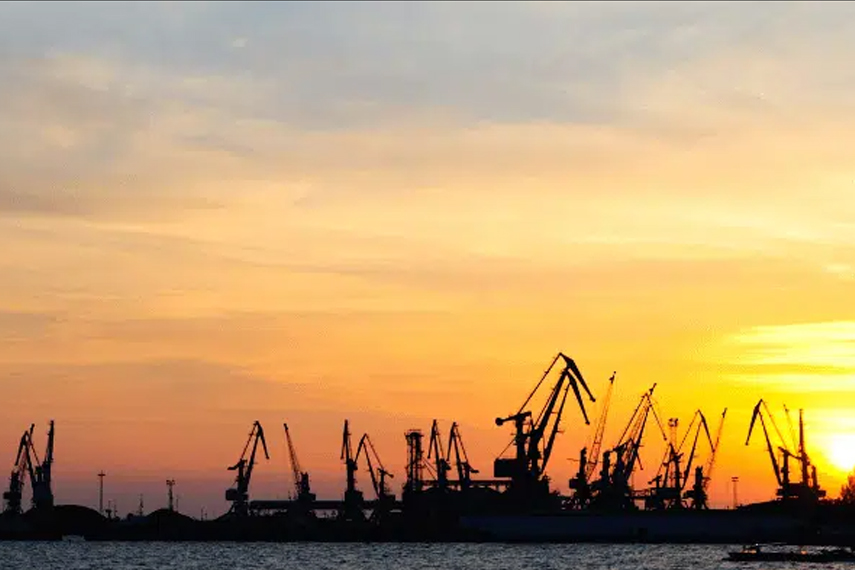
Port of Hambantota
Hambantota port is also known as the Magampura Mahinda Rajapaksha port and is situated in the southern part of Sri Lanka. It is close to the Asian and European maritime trade routes, the Suez Canal and Malacca Strait. More than 39,000 ships and 5000 oil tankers pass through these routes which saves freight costs and reduces sailing time by three days. It is also the country’s most diverse deepwater facility, constructed in 2008 with Chinese financial aid and given to China on a 99-year lease.
Sri Lanka Ports
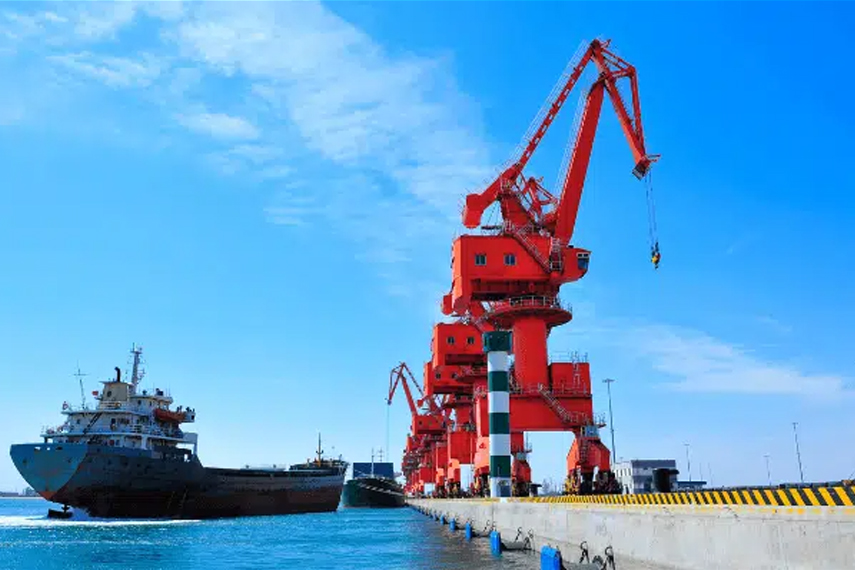
Trincomalee Harbour
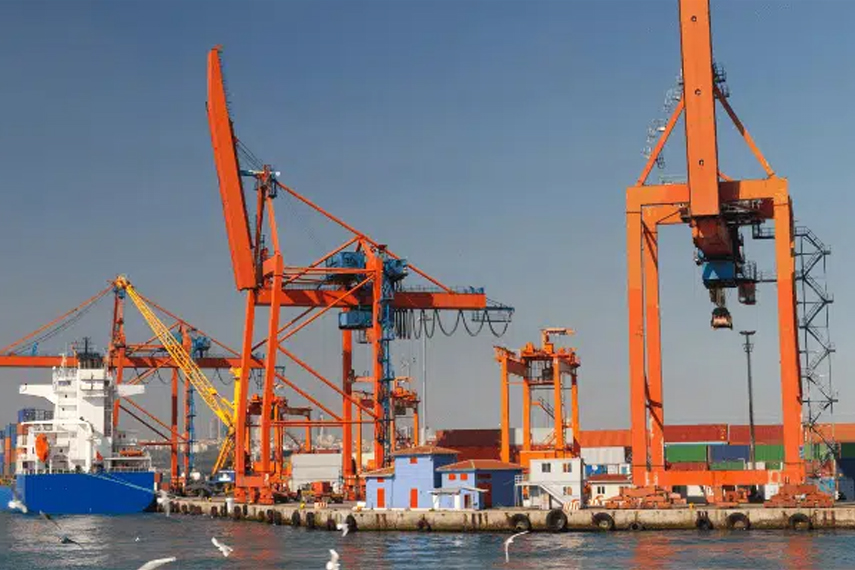
Located on the northeastern shores of Sri Lanka, Trincomalee port has the second-largest natural harbour in the world and the deepest harbour in the entire South-East Asian region. It is ten times bigger than the port of Colombo capable of accommodating ships of any size in its anchorage area. It is the only well-protected port in the South Asian subcontinent, hence its strategic geographical location, and relatively low congestion compared to other Sri Lankan ports, makes it a perfect facility for ship repair and maintenance.
Sri Lanka Ports
Port of Galle
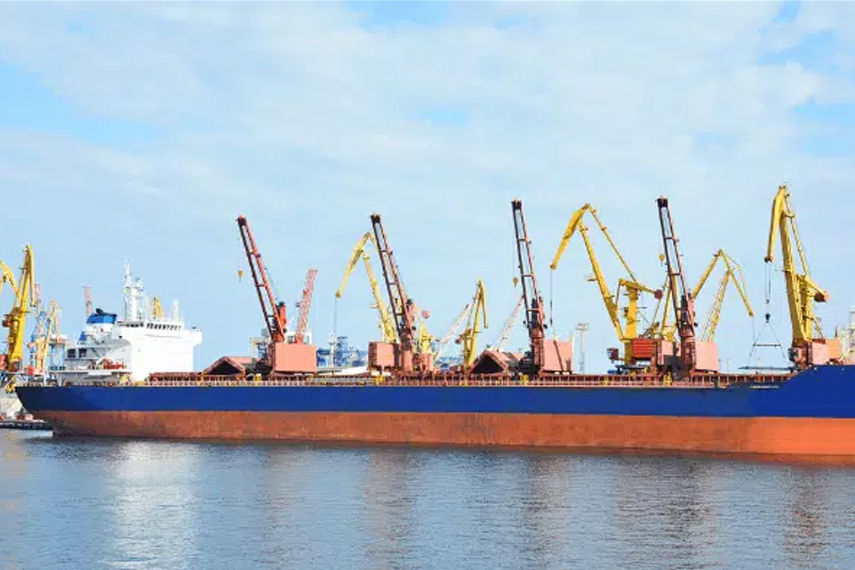
The Galle port lies on Sri Lanka’s southwestern shores and is the oldest port in the country. It has a natural harbour area covering 320 hectares serving cruise ships and commercial vessels plying on the east-west trade route. The limited water depths make it impossible to accommodate large ships thereby decreasing cargo traffic. However, it is still an important regional port of Sri Lanka and is the only facility in the country that has berthing facilities for pleasure yachts. Galle harbour has been recognised by international yacht societies as one of the best destinations for yachting.
Sri Lanka Ports
Oluvil Port
The Oluvil port project was started in 2008 with the financial support of Denmark’s foreign ministry. The port would cater to the needs of the eastern region of Sri Lanka and was given priority under the Nagenahira Navodaya Programme which aimed to build economic infrastructure in the eastern part of the country. It is being developed in stages and became operational in 2013 after the completion of the first stage. Presently it covers 148 acres of land area while the harbour basin spans 16 hectares and stretches 1.2 km along the coastline. It is divided into two main areas for handling general cargo ships and fishing vessels.