

Ports in Yemen
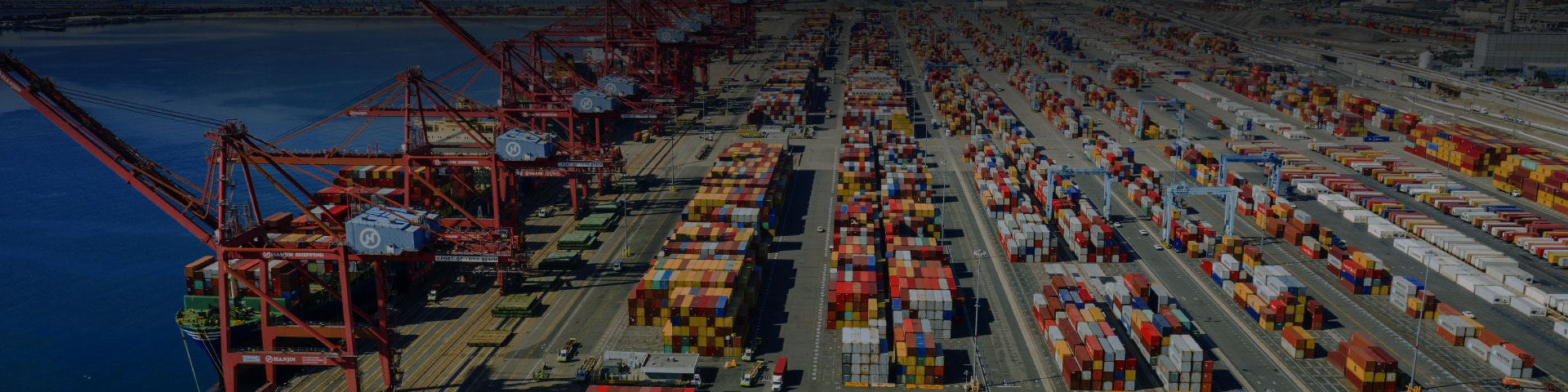
Yemen is a sovereign nation located in the Arabian Peninsula and its official capital is Sana’a. Yemen is situated in an ideal location for shipping and trade and is surrounded by the Gulf of Aden to the South and the Red Sea to the West. Yemen continues to be a shipping hub for global logistics companies throughout the world. Several freight carrying companies such as Maersk have operations out of Yemen. A large part of the container and cargo ships docking at Yemeni ports carry goods destined for transhipment. There are also numerous exports and imports that pass through the region.
Yemen Ports
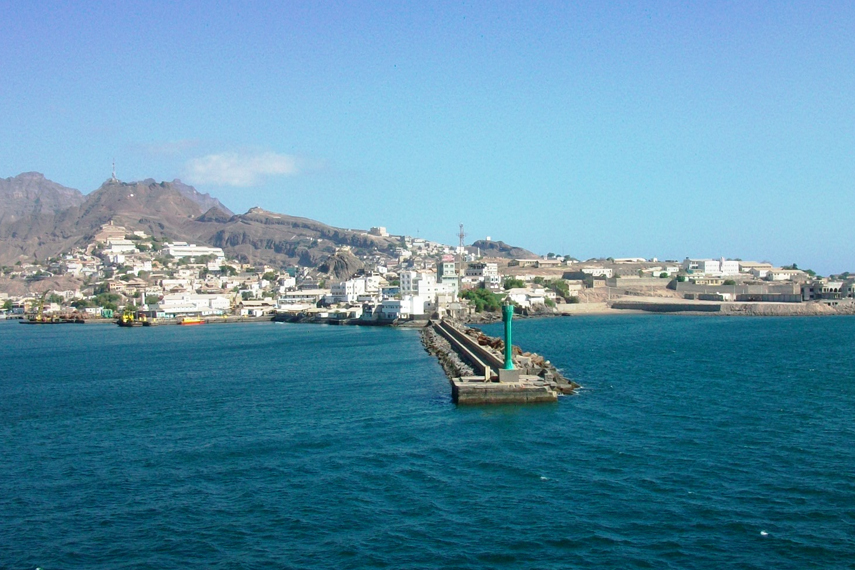
Aden Port
The Port of Aden is a key Yemeni port, situated in Aden on the Gulf of Aden. It is the largest and one of the most important ports in Yemen. The Port of Aden is situated approximately 170 km east of the strait of Bab Al Mandeb, which connects the Gulf of Aden to the Red Sea. The port is one of the largest natural harbors in the world.
Yemen Ports
Ash Shihr Oil Terminal
Ash Shihr Terminal is a small port in Yemen, on the Southern face of the Arabian Peninsula, and part of the Hadhramaut Governorate. The port primarily exports incense, fish, oil etc. that the surrounding region is famous for. The oil terminal is within the same premises as the port and is operated by the Masila Petroleum Exploration and Production Company known locally as Petro Masila.
Yemen Ports
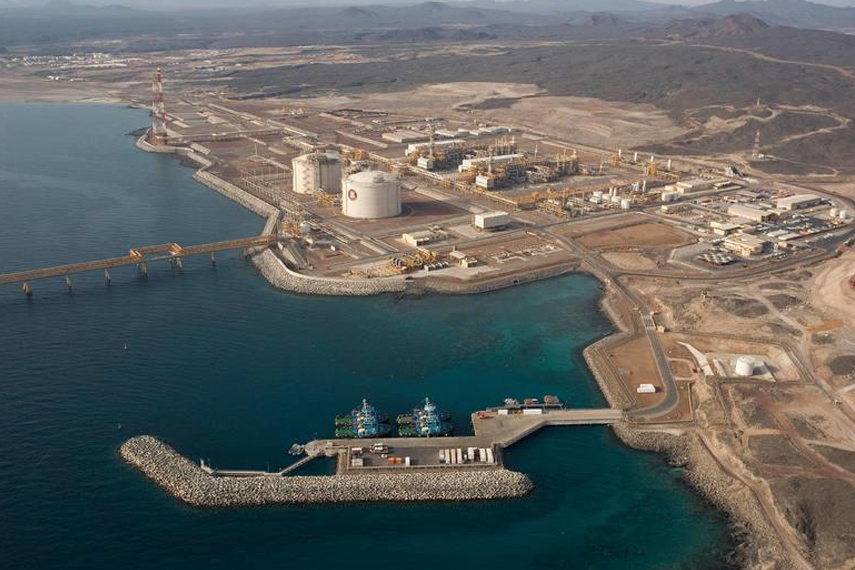
Bal Haf Gas Terminal
The plant is located on a platform excavated out of the hillside and right next to the sea. Reclaiming land from the sea is out of the question due to the presence of coral reefs. The defences, with a total length of 1500m, must guarantee platform stability under wave attack and limit overtopping. Building the defences at this site is particularly difficult due to the steeply-shelving basalt coastine. Furthermore, the monsoon wave climate is severe.
Yemen Ports
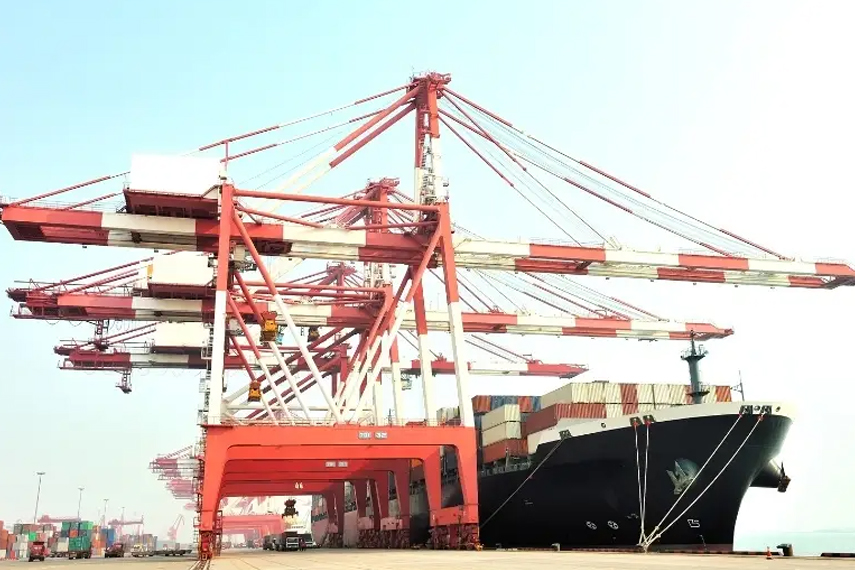
Port of Al Hodeidah
Locally referred to as the Al Hudaydah Port, it is a major seaport on the Red Sea. Al Hodeidah is a large city located on the Western coast of Yemen. The port specializes in exporting coffee, cotton, and dates. The hidden industry of the surrounding regions also creates a major export market. It has been operational from the 19th century and has undergone significant expansion from the Ottoman period in which it was opened.
Yemen Ports
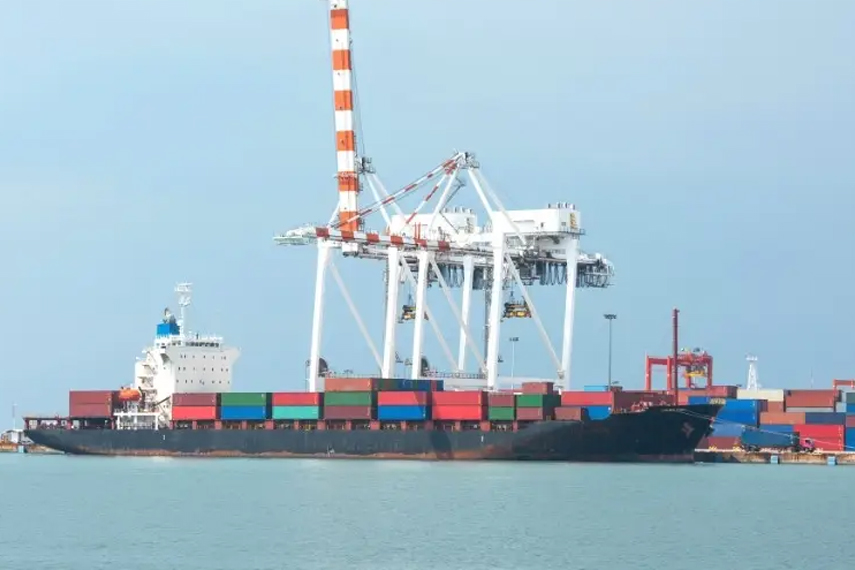
Port of Al Makha
Al Makha, located on the Red Sea just off the Southern tip of the Arabian Peninsula, is a major seaport in Yemen. It ranks behind the largest ports at Aden and Al Hodeidah. Situated in the Taiz Governorate, it has long held significance as a Yemeni port, in part due to its coffee exports. Coffee has been a primary export from Al Makha for the past 3 centuries, and the famous Mocha coffee bean is named after this port (Makha pronounced as Mokha). Inland farms and estates supplied the coffee to the port from where it was shipped globally.
Yemen Ports
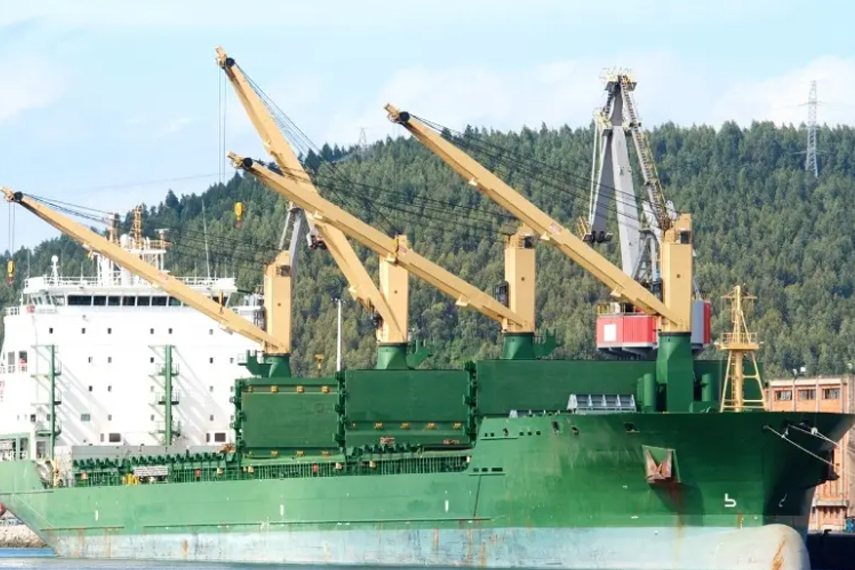
Mukalla Port
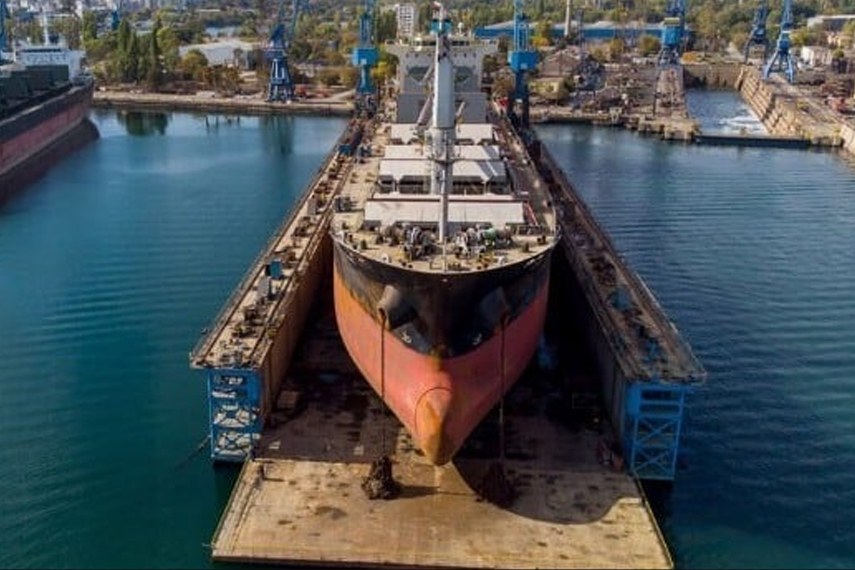
The Mukalla port is one of the smallest seaports in Yemen. It is located in the Southern region of the country and close to the Omani border. It faces the Gulf of Aden and primarily handles any overflow from the surrounding major ports (such as the Aden Port). It houses a large dry dock for repair and maintenance operations. It specializes in performing repairs on small and medium vessels due to the lack of appropriate facilities at Mukalla. Due to its location, it is sheltered under most weather conditions.
Yemen Ports
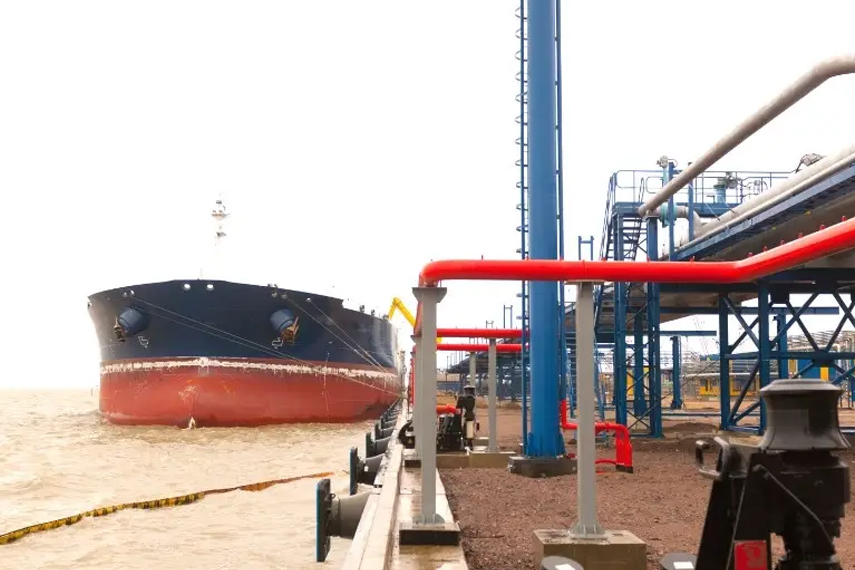
Ras Isa Terminal
The primary oil terminal of Aden, Ras Isa is a major port in Yemen. It is presently owned and managed by the Yemen Hunt Oil Group based out of Texas. Additional facilities and aid are provided by the Port and Marine Affairs Corporation (PMAC) that operates under the Yemeni government. They provide pilot facilities, tugs, and oil tanker assistance.
Yemen Ports
Saleef Port
The Yemeni port at Saleef is located just 50 km North of the port at Al Hodeidah. It is on the Kamaran Bay that is located to the west of Yemen. Saleef is near the Yemeni border with Saudi Arabia but is very remote. Rail and road connectivity is poor in the region, which has hampered the ports ability to properly handle incoming cargo. Unfortunately, the present political scenario has only worsened the situation at the Saleef port.